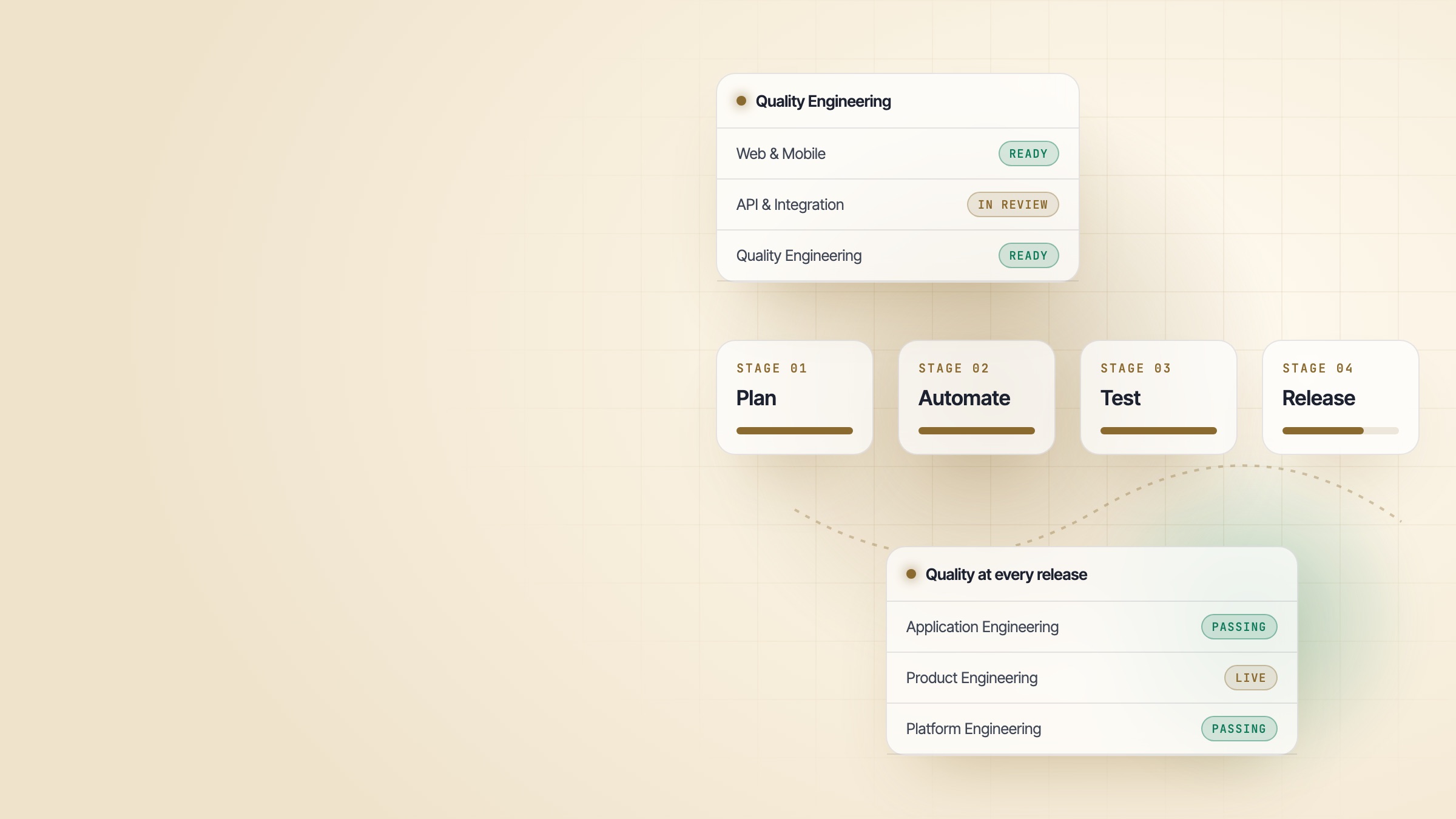
When testing is a phase at the end of a project, it becomes the place where schedules are squeezed and problems are discovered too late to fix cheaply. When it starts with the first line of code, quality stops being a gate and becomes part of how the work is done.
Test what the client will actually do
We write tests from the client's point of view: the journeys real users take, the data they enter and the mistakes they make. A form that works with perfect input but fails on a missing field is not finished.
These tests run automatically on every change, so a developer learns about a problem within minutes, while the code is still fresh in their mind.
Try to break it before anyone else does
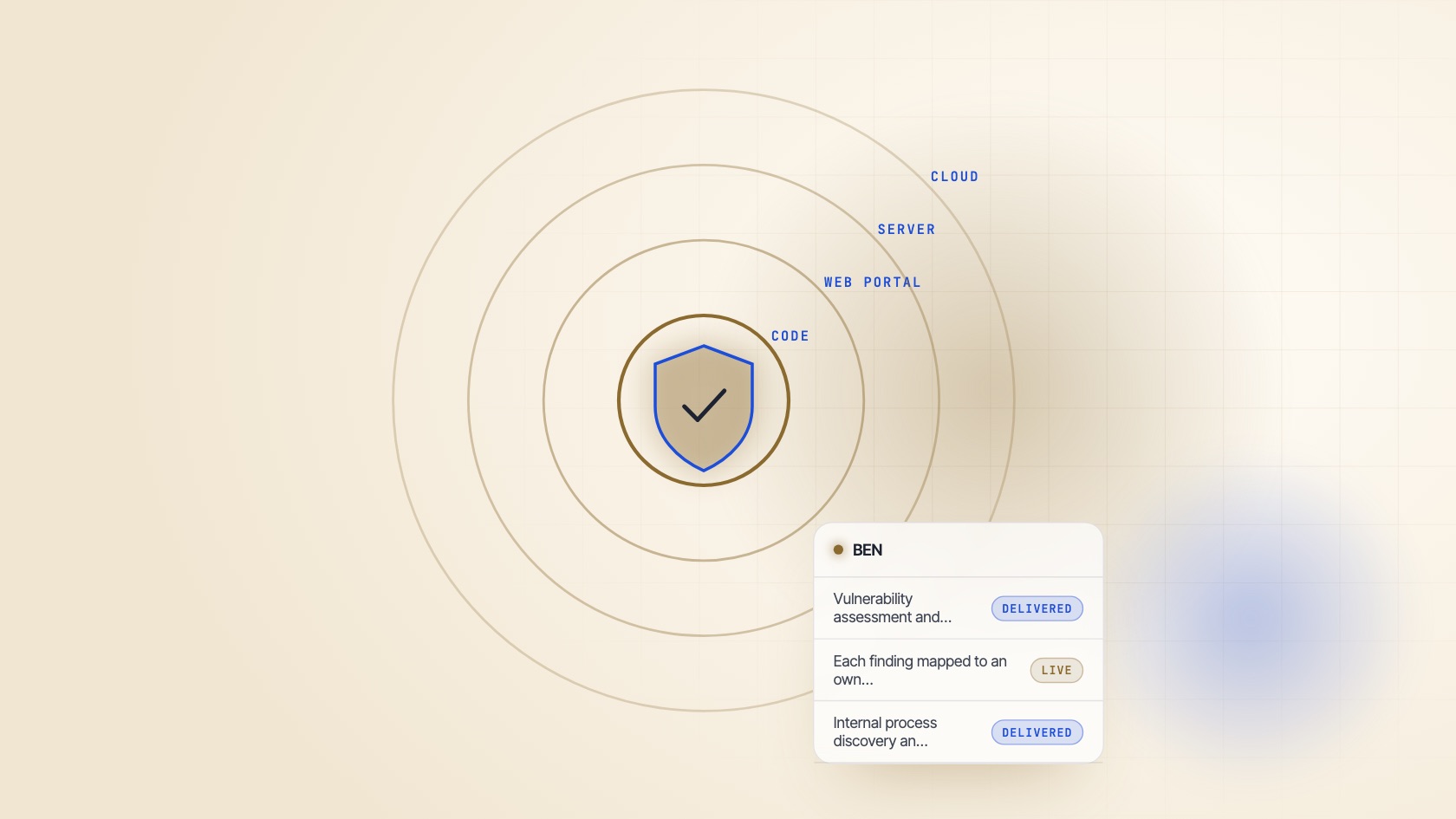
Alongside functional tests we look for what could go wrong: weak sign-in, exposed data, slow pages under load. For security, that means checking applications against the common web flaws and re-testing every finding after it is fixed, as we did across cloud, server, portal and code for BEN in Singapore.
Quality includes what happens after launch
A release is not the end. We watch how the system behaves in production, feed what we learn back into the tests, and make sure the next release cannot reintroduce an old problem.